YANMAR Engine Overhaul Planning: What to Order, When to Order, and Why It Matters
Blog | May 11th, 2026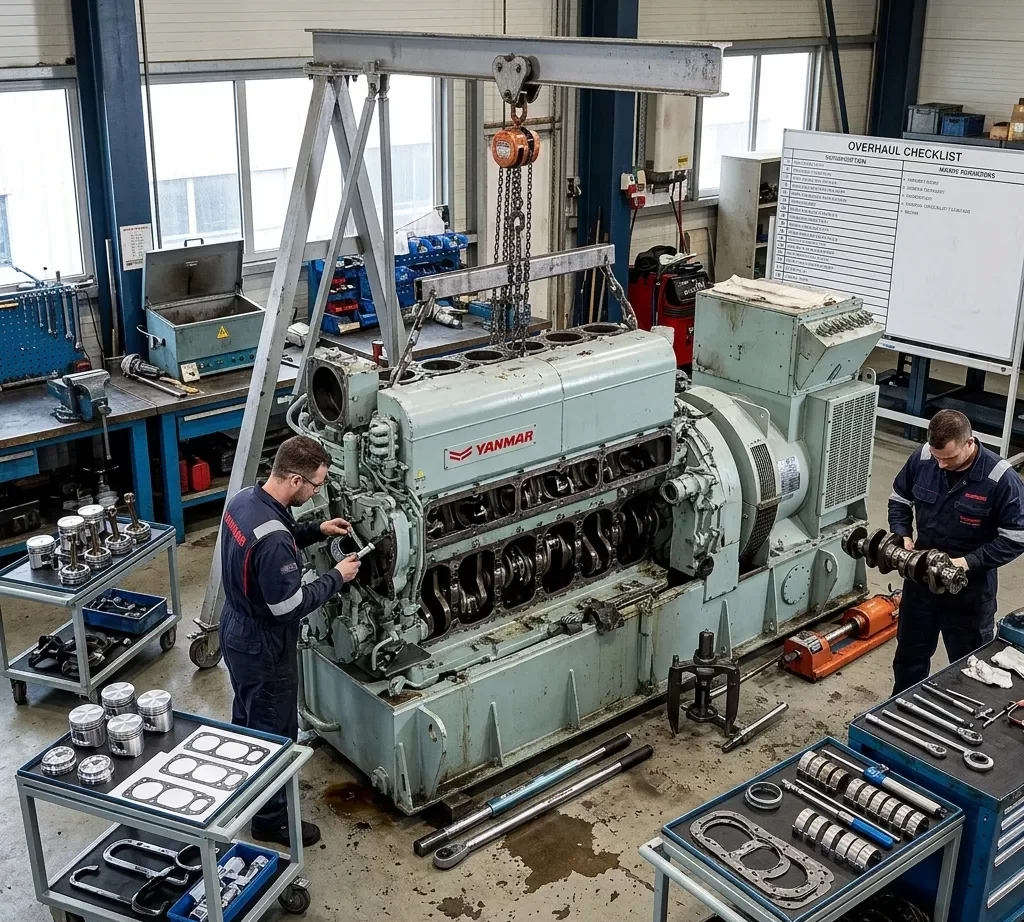
Wildon Engineering covers YANMAR engine overhaul planning, including what to order, when to order, and how to reduce downtime and improve reliability.
Effective YANMAR engine overhaul planning is critical for maintaining reliability, safety, and compliance in marine and industrial operations across Australia. A well-planned overhaul helps prevent breakdowns, reduce downtime, and align with AMSA requirements while avoiding delays in parts supply and incorrect component selection. It also involves assessing engine condition, sourcing the right parts, and coordinating timelines with local supply chains to ensure smooth and efficient operations.
YANMAR Engine Overhaul Planning: Where It All Starts
Taking these steps early reduces uncertainty and allows for more accurate parts sourcing and scheduling.
Key starting points include:
- Confirming engine model and serial number
- Reviewing service history and operating hours
- Assessing performance issues or inspection findings
- Determining the level of overhaul required
- Aligning the plan with maintenance schedules and compliance requirements
What to Order for a YANMAR Engine Overhaul
Overhaul requirements vary depending on engine condition and application, but most can be grouped into three main parts categories. Using genuine YANMAR parts and verified engine details ensures compatibility, reliability, and avoids delays or incorrect supply.
- Core Overhaul Components – are essential parts commonly replaced in most overhauls to restore engine integrity. They include gasket sets, seals, piston rings, bearings, and cylinder head components.
- Inspection-Dependent Components – are replaced based on wear and inspection results during teardown. They may include pistons, liners, injectors, pumps, turbochargers, and camshafts.
- Service and Maintenance Items – are typically replaced to improve efficiency and reliability during overhaul. They include filters, belts, hoses, and impellers.
When to Order: Timing Your Overhaul to Avoid Downtime
Timing is critical to a successful overhaul, as poor planning can lead to delays and extended downtime. A proactive approach to YANMAR engine overhaul planning helps secure parts early and align maintenance with operational schedules. Splitting orders into early procurement for critical items and final orders for confirmed parts ensures a smoother and more efficient process.
Best practices for timing include:
- Ordering specialised or non-stock parts well in advance
- Aligning orders with dry dock or maintenance windows
- Planning around survey and compliance deadlines
- Allowing buffer time for unexpected findings during teardown
- Coordinating with suppliers to confirm availability
Why Proper Planning Matters for Australian Operators
For Australian operators, overhaul planning goes beyond maintenance and directly affects safety, compliance, and performance. AMSA guidelines highlight the need for structured maintenance systems, making proper planning essential for commercial vessels. Without it, minor issues can quickly escalate into major operational problems.
A well-executed plan delivers several key benefits:
- Improved safety and reduced risk of engine failure
- Compliance with Australian maintenance and inspection requirements
- Reduced downtime and operational disruption
- Better cost control by avoiding urgent or incorrect orders
- Extended engine life and improved performance
Partner with Wildon Engineering for Reliable YANMAR Engine Overhaul Planning
When it comes to YANMAR engine overhaul planning, experience and local expertise are critical to achieving reliable results. Wildon Engineering supports Australian operators with accurate parts identification, genuine YANMAR components, and practical guidance to ensure efficient and correct overhauls. Partnering with a trusted supplier helps reduce downtime, maintain compliance, and protect long-term engine performance.
Get the right parts, on time, every time. Contact us for all your overhaul needs.
Related Blog Articles:
Yanmar Marine Compressors: Applications in Engine Starts, Valves, and Safety Systems
Yanmar Turbochargers: How Correct Spec-Matching Supports Lower SFOC and Prevents Surge
Optimized by NetwizardSEO.com.au
Recent Posts
- YANMAR Engine Overhaul Planning: What to Order, When to Order, and Why It Matters
- Top 10 Early Warning Signs of YANMAR Engine Wear (Before It Becomes a Breakdown)
- Cylinder Head Overhaul for Marine Diesel Engines: Common Failures & Repair Pathways
- Oil Purifier Basics: What the Mitsubishi Selfjector SJ-H Series Does (and Where It Fits)
- Marine System Failure Risks: How Quality Spare Parts Prevent Costly Breakdowns
- MESON Marine Valves: A Selection Guide by System (Bilge, Ballast, Fuel & Cooling)
- Yanmar Marine Compressors: Applications in Engine Starts, Valves, and Safety Systems
- Water vs Oil in Stern Tube Bearings: The Cost & ESG Truth Shipowners Can’t Ignore
- Yanmar Turbochargers: How Correct Spec-Matching Supports Lower SFOC and Prevents Surge
- Yanmar Diesel Generators: Planned vs Predictive Maintenance Strategies for Remote Operations
