Marine Valve Standards: Does Your Vessel Need JIS, DIN or ANSI?
Blog | November 24th, 2026 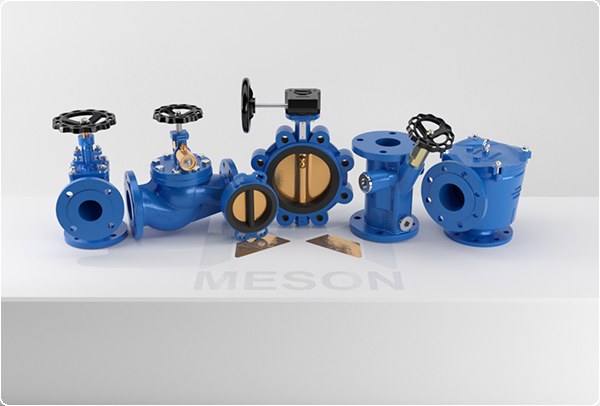
Wildon Engineering explains JIS, DIN and ANSI marine valves for vessel systems, flange compatibility and safe, compliant selection in Cheltenham, Victoria.
Ordering a replacement marine valve by nominal size alone can result in incompatible flanges, unsuitable materials or missing documentation. JIS, DIN and ANSI marine valves follow different dimensional and pressure-rating systems, even when their stated sizes appear comparable. Confirming the installed standard before ordering helps control modification costs, procurement delays and operational risk.
Which Marine Valve Standard Does Your Vessel Require?
Your vessel normally requires the standard specified in its approved piping drawings or already installed in the relevant system. JIS is common on Japanese-designed vessels, DIN or related EN standards appear on European systems, and ANSI, now generally referenced through ASME standards, is used across American and international piping.
Operating in Australia does not make one standard mandatory for every vessel. For domestic commercial vessels, the Australian Maritime Safety Authority’s NSCV machinery requirements address fluid-system integrity, corrosion resistance, accessibility and valve construction, while vessel size, service and classification may add further requirements.
Why Similar Pressure Classes Are Not Interchangeable
Similar pressure designations do not guarantee dimensional or service compatibility. JIS ratings such as 10K, DIN or EN ratings such as PN16, and ANSI or ASME classes such as Class 150 come from different systems and are not automatic equivalents. Pressure suitability also depends on material, temperature, fluid and the manufacturer’s published rating.
Flange outside diameter, pitch circle diameter, bolt-hole pattern, face type and face-to-face length can differ. For example, a DN50 JIS 10K flange typically has a 155 mm outside diameter and 120 mm pitch circle, while DIN PN16 is 165 mm by 125 mm and ANSI Class 150 is approximately 152 mm by 121 mm. Our marine valve selection guide also explains why system duty matters across bilge, ballast, fuel and cooling applications.
Information Needed Before Ordering a Marine Valve
A useful enquiry identifies both the existing connection and the intended operating duty. When requesting JIS, DIN and ANSI marine valves, send photographs of the valve body, nameplate and flanges if the original specification is uncertain.
Confirm these details before requesting supply:
- Vessel requirements: Vessel type, applicable classification society and required documentation
- Service conditions: System fluid, design pressure and operating temperature
- Valve specification: Valve type, nominal size, pressure class and flow direction
- Materials: Body, trim, stem, seat and gasket requirements
- Flange dimensions: Outside diameter, pitch circle, hole count, hole diameter and face type
- Installation dimensions: Face-to-face length and straight or angle configuration
- Operation: Manual, pneumatic, hydraulic or electric actuation
- Approval: Engineering acceptance for any proposed adaptor or flange alteration
- Supply context: Our marine and industrial equipment range lists Japanese, German and American-standard valves
Wildon Engineering Support for JIS, DIN and ANSI Marine Valves
Wildon Engineering supplies marine equipment and spares from Cheltenham, Victoria, including valves built to Japanese, German and American specifications. We help customers prepare clearer valve enquiries by matching available product information against the stated system, dimensions and documentation requirements.
Send us the existing valve markings, flange measurements and system requirements to request a suitable supply option.
Optimized by NetwizardSEO.com.au
Recent Posts
- Marine Valve Standards: Does Your Vessel Need JIS, DIN or ANSI?
- Meson Marine Valves: Source Replacements Before Dry-Docking
- SJ-H or SJ-G? Match Mitsubishi Selfjector Spare Parts
- Marine Gearbox Oil Analysis to Detect Wear Before Propulsion Failure
- MESON Fuel Valves for Safe Marine Fuel Isolation During Maintenance
- KEMEL Stern Tube Seals for Dry Dock Repair and Replacement Planning
- Yanmar Power Solutions for Commercial Vessels Requiring Reliable Auxiliary Power
- Mareflex SOLAS Tape Order Enquiries: Width, Application and Quantity
- Marine Purifier Sludge Management: Optimising Fuel Oil Treatment and MARPOL Compliance
- Compressed Air Contamination on Ships: Causes, Risks, and Prevention Strategies