Compressed Air Contamination on Ships: Causes, Risks, and Prevention Strategies
Blog | July 15th, 2026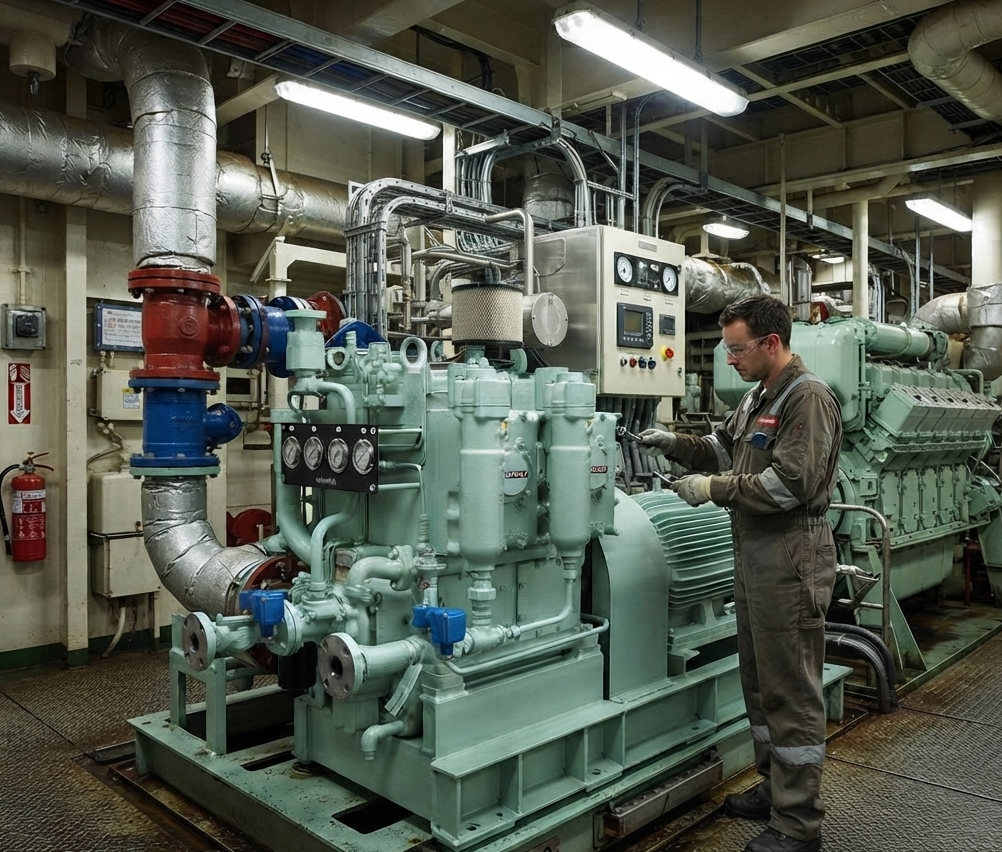
Wildon Engineering in Cheltenham, VIC, addresses compressed air contamination on ships to ensure engine reliability and Australian maritime safety compliance.
Compressed air is often referred to as the fourth utility on a vessel because it is vital for everything from starting main engines to operating pneumatic controls. However, the integrity of these systems is frequently threatened by compressed air contamination on ships, which can compromise operational safety. Understanding how to manage these impurities is essential for maintaining the efficiency and reliability of any modern maritime fleet.
What Causes Compressed Air Contamination on Ships?
Shipboard air compressors face unique challenges in drawing in the surrounding atmosphere. These external impurities eventually combine with internal mechanical issues, creating a harmful mix of pollutants in the air lines. This degradation is often accelerated by the intense operating conditions in the engine room and using reliable marine air compressors, which require precise environmental conditions to remain efficient.
Several specific factors contribute to the degradation of air quality:
- Ambient Intake: Salt-laden, high-moisture air from the ocean environment is drawn directly into the compressor.
- Lubricant Carry-over: Oil aerosols and vapours generated by the compression process can bypass seals and enter the airstream.
- System Oxidation: Rust and scale form inside aging air receivers and distribution pipes when moisture is present.
- Exhaust Ingestion: Carbon monoxide or sulphur dioxide can be drawn in if the compressor intake is located too close to engine exhausts.
Serious Operational and Safety Hazards of Impure Air
Contaminated compressed air can strip lubrication from air starters, cause valves to stick and produce inaccurate sensor readings, leading to sluggish engine cranking or mechanical failure. It can also affect precision equipment such as turbochargers, which rely on clean pneumatic control, while contaminated breathing air may expose crews in confined spaces to carbon monoxide or oil vapours. Routine maintenance helps prevent equipment damage, costly repairs, unplanned downtime and serious safety risks.
Prevention Strategies and Australian Compliance Standards
A multi-layered defence using high-quality coalescing filters and air dryers is the most effective way to remove moisture and oil. Regular drainage of air receivers and strategic placement of intakes further reduce the risk of toxic buildup within the system. These proactive steps safeguard critical engine components and extend the service life of the ship’s machinery.
Australian maritime operators must adhere to strict standards, including AS/NZS 1715 for breathing air and ISO 8573-1 for general quality. Routine professional inspections of pressure vessels ensure that all pneumatic systems remain safe and fully compliant with national regulations. Maintaining these rigorous standards transforms your air system into a reliable asset rather than a liability.
Trust Wildon Engineering to Combat Compressed Air Contamination on Ships
Maintaining a clean air system through expert oversight and rigorous maintenance is essential to protect your main engines and ensure crew safety. Investing in professional filtration and drying solutions is the most effective way to mitigate compressed-air contamination on ships while extending the service life of your maritime assets. Wildon Engineering provides the specialised technical expertise and preventative strategies required to keep your marine systems running at peak performance.
Contact us to find out how our specialised marine engineering services can keep your operations efficient and compliant with all Australian standards.
Related Blog Articles:
5 Most Common Issues with Marine Engines
Yanmar Marine Compressors: Reliable Power Systems for Commercial Vessels
Optimized by NetwizardSEO.com.au
Recent Posts
- MESON Fuel Valves for Safe Marine Fuel Isolation During Maintenance
- KEMEL Stern Tube Seals for Dry Dock Repair and Replacement Planning
- Yanmar Power Solutions for Commercial Vessels Requiring Reliable Auxiliary Power
- Mareflex SOLAS Tape Order Enquiries: Width, Application and Quantity
- Marine Purifier Sludge Management: Optimising Fuel Oil Treatment and MARPOL Compliance
- Compressed Air Contamination on Ships: Causes, Risks, and Prevention Strategies
- Marine Air Compressor Sizing: Matching Output to Shipboard Demand
- Specialist Japan Marine Gearbox Repair: Precision Engineering & Overhauls
- Marine Turbocharger Washing: When Maintenance Ends and Part Replacement Begins
- YANMAR Engine Overhaul Planning: What to Order, When to Order, and Why It Matters