Marine Gearbox Oil Analysis to Detect Wear Before Propulsion Failure
Blog | October 8th, 2026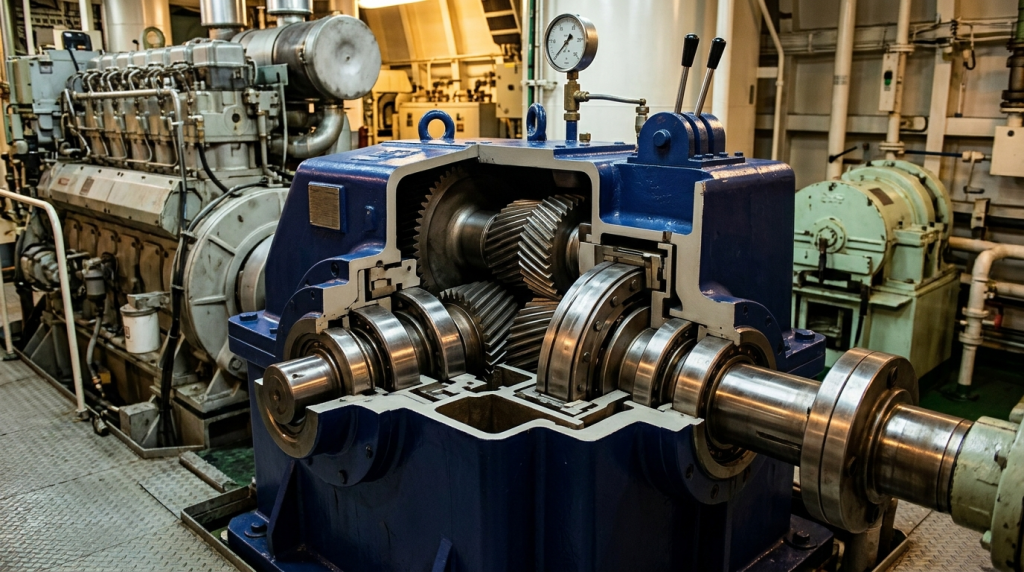
Wildon Engineering uses marine gearbox oil analysis findings to support condition assessment and repair planning for commercial vessels across Australia.
Marine gearbox oil analysis can reveal abnormal wear, contamination and lubricant deterioration before obvious propulsion symptoms develop. We use these findings alongside operating history and physical diagnostics to help vessel operators decide whether to monitor, inspect or plan repairs.
How Marine Gearbox Oil Analysis Identifies Early Wear
Lubricating oil circulates across gears, bearings, shafts and other oil-wetted components, collecting microscopic debris as the gearbox operates. Laboratory analysis can measure wear metals, ferrous particles, water, viscosity and lubricant degradation. The clearest warning is usually a change from the gearbox’s established baseline, not one result viewed in isolation.
Consistent sampling matters. Samples should be taken from the same point, under comparable operating conditions and with the oil grade, operating hours, top-ups and recent maintenance recorded. Without that context, a result may be difficult to interpret accurately.
Results That May Justify Further Investigation
An abnormal report does not automatically mean the gearbox requires overhaul. It provides evidence that should be assessed against the gearbox design, service history and operating behaviour.
- Rising iron: A sustained increase may indicate wear involving steel gears, shafts or bearings, although the likely source depends on the gearbox materials.
- Elevated PQ Index: PQ testing measures total ferrous material and can detect particles larger than those represented effectively by routine spectrometric analysis.
- Copper, lead or tin: Changes may relate to bushes, thrust washers, bearings, coolers or other non-ferrous components, depending on construction.
- Water contamination: Water can promote corrosion, weaken lubrication and accelerate oil deterioration.
- Viscosity change: Oil that has thickened or thinned outside its expected range may no longer provide suitable protection.
- Higher particle counts: Increasing solids may indicate wear, ineffective filtration or contamination entering through seals or breathers.
From an Oil Report to a Practical Maintenance Decision
When marine gearbox oil analysis returns an abnormal result, we recommend checking the sample details before committing to major work. Review previous reports, operating hours, lubricant changes and any recent top-ups. If the result is unexpected, confirm the finding with a correctly taken repeat sample where appropriate.
The next step may include inspecting magnetic plugs, filters, strainers, seals or coolers and comparing the report with noise, temperature, vibration and propulsion performance. Our marine gearbox repair and diagnostic experience helps connect these indicators with an appropriate inspection or repair scope. We can also undertake gearbox work through our broader marine maintenance and repair services.
Early investigation can also improve repair planning. It gives us an opportunity to review likely parts, access requirements and vessel schedules before a developing condition becomes a more disruptive propulsion issue. The appropriate response will depend on the evidence and the gearbox manufacturer’s requirements.
Use Oil Analysis to Guide Marine Gearbox Maintenance
Marine gearbox oil analysis is most useful as part of a trend-based maintenance program. It can identify changes early, but sound decisions still require correct sampling, relevant history and confirmation through inspection or complementary diagnostics.
At Wildon Engineering, we support commercial vessel operators with specialist gearbox assessment, maintenance and repair. Send us your oil report and gearbox history through our contact page to discuss the next practical step and request an assessment.
Optimized by NetwizardSEO.com.au
Recent Posts
- Marine Gearbox Oil Analysis to Detect Wear Before Propulsion Failure
- MESON Fuel Valves for Safe Marine Fuel Isolation During Maintenance
- KEMEL Stern Tube Seals for Dry Dock Repair and Replacement Planning
- Yanmar Power Solutions for Commercial Vessels Requiring Reliable Auxiliary Power
- Mareflex SOLAS Tape Order Enquiries: Width, Application and Quantity
- Marine Purifier Sludge Management: Optimising Fuel Oil Treatment and MARPOL Compliance
- Compressed Air Contamination on Ships: Causes, Risks, and Prevention Strategies
- Marine Air Compressor Sizing: Matching Output to Shipboard Demand
- Specialist Japan Marine Gearbox Repair: Precision Engineering & Overhauls
- Marine Turbocharger Washing: When Maintenance Ends and Part Replacement Begins