Marine Air Compressor Sizing: Matching Output to Shipboard Demand
Blog | June 29th, 2026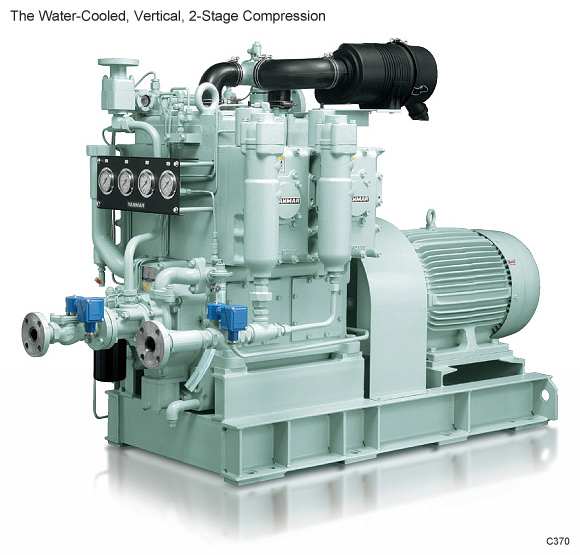
Wildon Engineering provides expert marine air compressor sizing to meet AMSA standards. Matching output to shipboard demand ensures efficiency and safety.
Navigating the complexities of marine air compressor sizing requires a precise balance between maintaining fuel efficiency and meeting strict maritime regulatory standards. In the Australian shipping industry, ensuring your equipment is correctly rated is essential for both operational safety and long-term cost management. Achieving this equilibrium allows vessel operators to avoid unnecessary power consumption while guaranteeing that critical systems have the pressure they need at a moment’s notice.
How Do You Calculate the Required Capacity for Marine Air Compressors?
Determining the correct capacity begins with identifying the dual roles of the air system, which is typically divided between engine starting and general service. In accordance with Australian maritime regulations, starting air systems must adhere to a strict guideline known as the “one-hour rule.” This mandate requires the main air compressors to charge the receivers from atmospheric pressure to their maximum design pressure within 60 minutes.
To calculate the required Free Air Delivery (FAD), engineers evaluate the total receiver volume against the required number of engine starts. Under current Australian standards, vessels must generally store sufficient air for 12 starts on reversible engines or 6 on non-reversible models. This precise calculation ensures the system remains reliable and compliant during critical maritime operations.
Essential Standards for Marine Air Compressor Sizing in Australia
In Australia, compliance is mandatory, and sizing must adhere to the frameworks established by the Australian Maritime Safety Authority (AMSA) and Standards Australia. These regulations ensure that the pressure vessels and the compressors driving them can withstand the harsh conditions of the maritime environment. By aligning your equipment choices with these benchmarks, you protect your crew and ensure your vessel passes Port State Control inspections without costly delays.
When planning your system, specifically considering Yanmar marine compressors can provide a reliable performance benchmark. The following standards and requirements are fundamental:
- AMSA Marine Order 12: This regulation dictates the redundancy requirements, stating that most commercial vessels must carry at least two independent main air compressors.
- AS 1210-2010: This is the mandatory Australian Standard for pressure vessels, ensuring that the air receivers used in your sizing calculations are structurally sound and appropriately rated.
- The Emergency Requirement: Beyond the main units, an emergency air compressor is often required to allow for a dead ship start, and this unit must have its own independent power source.
Matching Output to Real-World Shipboard Demand and Environment
Effective sizing goes beyond simple formulas by balancing high-pressure engine requirements with the continuous low-pressure supply needed for pneumatic tools and essential control systems. To prevent the compressor from short-cycling or overheating, engineers apply a diversity factor to estimate how many tools will be operating simultaneously. Additionally, the extreme temperatures in an Australian engine room make it vital to derate the machinery to ensure it delivers the required output even when temperatures reach 45 degrees.
Trust Wildon Engineering for Precise Marine Air Compressor Sizing
Wildon Engineering provides tailored pneumatic solutions designed to meet the unique operational profile of every vessel. Our experts simplify marine air compressor sizing by evaluating engine specifications and environmental variables to ensure peak performance and AMSA compliance. Whether for new builds or system upgrades, we deliver reliable engineering that keeps your vessel safe and efficient in all conditions.
Contact us today to find the ideal match for your shipboard demand and secure your maritime operations.
Related Blog Articles:
Everything You Must Know About Marine Compressors
Marine Compressor: Factors to Consider for Seaworthy Performance
Optimized by NetwizardSEO.com.au
Recent Posts
- MESON Fuel Valves for Safe Marine Fuel Isolation During Maintenance
- KEMEL Stern Tube Seals for Dry Dock Repair and Replacement Planning
- Yanmar Power Solutions for Commercial Vessels Requiring Reliable Auxiliary Power
- Mareflex SOLAS Tape Order Enquiries: Width, Application and Quantity
- Marine Purifier Sludge Management: Optimising Fuel Oil Treatment and MARPOL Compliance
- Compressed Air Contamination on Ships: Causes, Risks, and Prevention Strategies
- Marine Air Compressor Sizing: Matching Output to Shipboard Demand
- Specialist Japan Marine Gearbox Repair: Precision Engineering & Overhauls
- Marine Turbocharger Washing: When Maintenance Ends and Part Replacement Begins
- YANMAR Engine Overhaul Planning: What to Order, When to Order, and Why It Matters